 Naasongs.fun
When designing a backup power or renewable energy system, one fundamental decision involves choosing between an enclosed unit and an open framework. This choice directly affects safety protocols, spatial planning, and long-term operational costs. The differences between a battery cabinet and a battery rack extend far beyond appearance. Understanding these distinctions allows engineers and facility managers to match hardware selection with real-world constraints, from fire codes to expansion timelines.
Structural Design and Enclosure Type
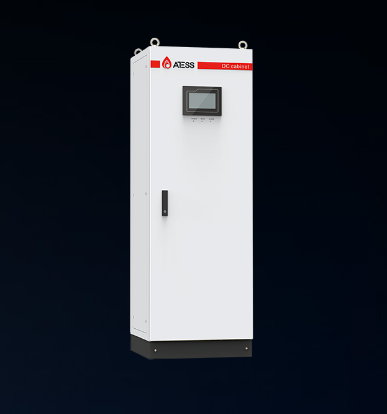
A battery cabinet features a fully enclosed metal housing that conceals all internal components behind lockable doors. This design protects batteries from dust, accidental contact, and environmental exposure. Conversely, a battery rack adopts an open-frame structure without side panels or doors, leaving cells fully visible on shelves or rails. The open configuration prioritizes accessibility and modular growth over physical containment. For projects requiring frequent cell inspection or incremental capacity additions, the rack format offers straightforward access and lower per-unit material costs.
Safety Features and Access Control
Enclosed energy storage cabinet designs incorporate built-in safety mechanisms, including restricted access via locked doors and reduced exposure to live terminals. This allows placement in computer rooms or general equipment areas without specialized battery rooms. Open battery racks, however, present exposed electrical connections that pose shock hazards. Consequently, they require dedicated battery rooms with restricted entry, proper ventilation systems, and trained personnel only. Ventilation requirements also differ: while racks demand active exhaust to disperse hydrogen emissions, cabinets in well-ventilated computer rooms rarely face such constraints.
Capacity and Scalability Considerations
For systems exceeding 100 ampere-hours per battery unit, open configurations become more practical due to physical size and weight constraints. Battery racks excel in utility-scale installations, allowing modular addition of shelves as load demands grow. A battery cabinet typically serves small to medium systems up to 250 kVA, with limited expansion capacity once installed. Atess offers integrated storage solutions that bridge both formats. They provide pre-engineered battery cabinet systems with built-in thermal management for commercial applications, alongside rack-compatible modules for large-scale projects. Their battery solutions page includes detailed specifications for each configuration.
Application Environments
Indoor installations with limited floor space benefit from the compact footprint of a battery cabinet, commonly seen alongside UPS units in data centers and hospitals. Battery racks suit industrial environments with dedicated battery rooms, such as power plants, substations, and telecom facilities. Atess designs their battery cabinet enclosures to integrate seamlessly with existing power equipment, reducing on-site assembly time.
Selecting between a battery cabinet and a battery rack depends on safety requirements, available space, and capacity targets. Enclosed cabinets offer protection and placement flexibility for smaller systems, while open racks provide scalability for industrial applications. Visit the Atess battery solutions page to explore their product lineup and technical documentation.
