 Naasongs.fun
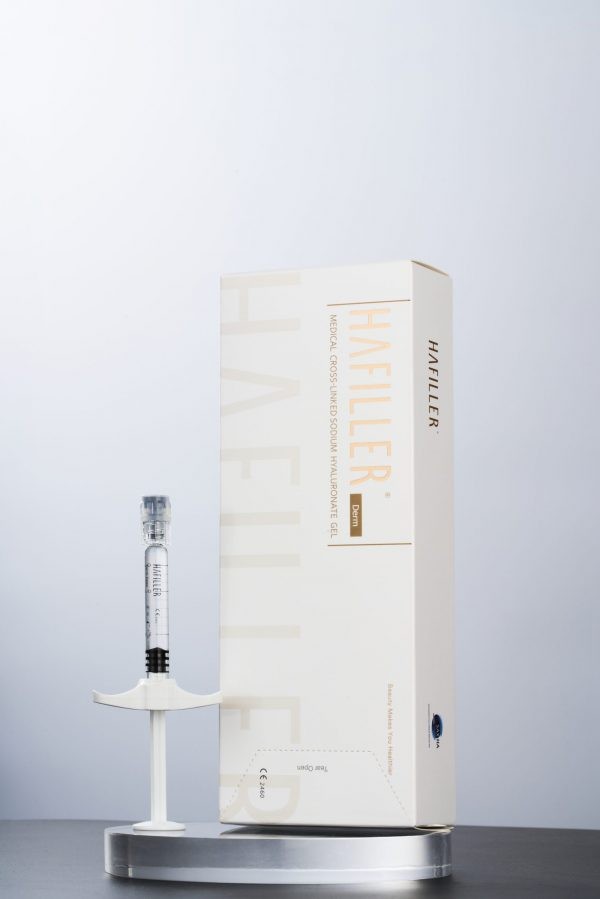
Forehead lines often become more visible with age, repeated facial movement, and reduced skin hydration. Clinics usually assess wrinkle depth, skin thickness, and facial muscle activity before selecting treatment methods. For moderate lines, forehead wrinkle filler products are commonly used to support smoother skin appearance without surgery. Many doctors also choose hyaluronic acid injections for forehead wrinkles because hyaluronic acid can integrate with soft tissue and provide temporary volume support. In the medical aesthetics field, Jingjia Medical develops dermal filler products under the HAFILLER brand with CE-certified production systems and standardized manufacturing conditions for overseas markets.
Injection Planning and Facial Assessment
Before treatment, clinics normally examine the forehead structure and evaluate wrinkle distribution under both resting and active facial expressions. Proper injection planning helps reduce uneven filling and excessive product placement. In many procedures, doctors select forehead wrinkle filler materials with smooth gel consistency to support even distribution beneath the skin. Product viscosity and elasticity are also considered because the forehead area requires balanced support instead of heavy projection. The HAFILLER dermal filler series includes different specifications designed for facial soft tissue applications, while Jingjia Medical maintains controlled production lines and quality inspection procedures during manufacturing.
Material Characteristics in Forehead Treatments
The physical properties of filler materials influence injection performance and post-treatment appearance. Many clinics use hyaluronic acid injections for forehead wrinkles because the material can adapt to dynamic facial movement and support natural-looking contours. During treatment, doctors often inject small amounts gradually to reduce visible irregularities. Product particle uniformity and injection flow are important factors in forehead procedures because the skin in this area is relatively thin. Jingjia Medical manufactures HAFILLER products according to standardized production processes, and they emphasize stable gel consistency as part of their product development and CE-related quality management practices.
Conclusion: Factors Behind Common Clinical Use
Moderate forehead lines are usually treated through careful facial assessment, controlled injection methods, and suitable filler selection. Clinics often choose forehead wrinkle filler products because they can provide soft tissue support while maintaining flexibility in facial movement. At the same time, hyaluronic acid injections for forehead wrinkles remain widely discussed in aesthetic procedures due to their adaptability across different treatment plans. Through standardized manufacturing systems and CE-certified production standards, Jingjia Medical supplies the HAFILLER dermal fillers for distributors and clinics involved in facial aesthetic treatments.
