 Naasongs.fun
In manufacturing environments where precision and repeatability are essential, selecting the right tooling partner is a decision that directly influences product quality and operational efficiency. For engineers, sourcing teams, and production planners, choosing a reliable plastic tooling manufacturer requires a structured evaluation of technical capability, process control, and long-term support. Precision plastics tooling has become a critical component in ensuring that plastic parts meet strict performance requirements, while precision tooling for plastics enables consistent results across multiple production cycles. Understanding how to assess a tooling manufacturer helps organizations reduce risk and build a more stable production foundation.
Assessing Technical Expertise and Engineering Capability
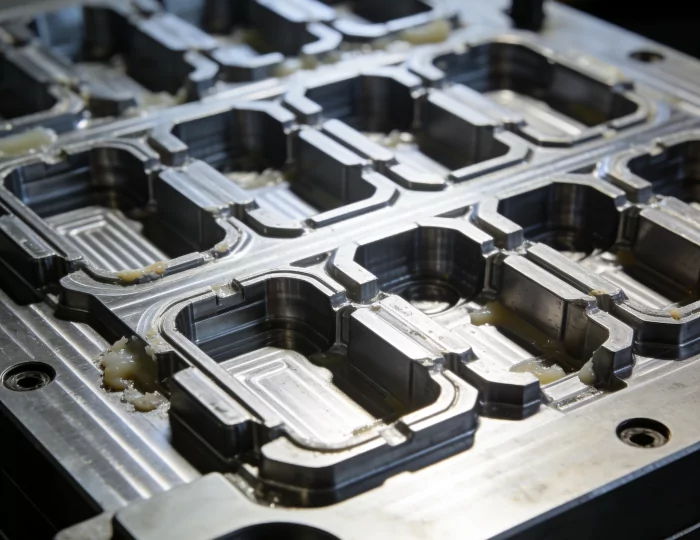
A reliable plastic tooling manufacturer must demonstrate strong technical expertise across both design and manufacturing processes. Precision plastics tooling begins with detailed mold design, where factors such as part geometry, material flow, and cooling efficiency are carefully analyzed. Manufacturers that integrate design-for-manufacturability analysis into their workflow can identify potential issues early, reducing the likelihood of defects during production.
Precision tooling for plastics also requires advanced machining capabilities. High-accuracy CNC machining, electrical discharge machining, and surface finishing processes are essential for achieving tight tolerances and smooth mold surfaces. These technical capabilities ensure that molds produce consistent parts over extended production runs. A manufacturer’s ability to handle complex tooling configurations, such as multi-cavity, insert, or two-shot molds, further indicates their capacity to support diverse project requirements.
Material selection is another important aspect of technical evaluation. Precision plastics tooling solutions may involve tool steel, stainless steel, or aluminum, depending on production volume and performance needs. A knowledgeable manufacturer should be able to recommend the most suitable material based on durability, cost efficiency, and lead time considerations. Livepoint Tooling has developed strong expertise in this area, combining engineering analysis with practical manufacturing experience to deliver precision tooling for plastics that meets both technical and operational goals.
Evaluating Process Reliability and Long-Term Value
Beyond technical capability, process reliability is a key factor in choosing a plastic tooling manufacturer. Precision plastics tooling requires strict quality control throughout the entire production process. Dimensional inspections, material verification, and functional testing ensure that molds meet design specifications before entering production. Manufacturers that maintain consistent quality standards help reduce production variability and minimize the risk of defects.
Lead time and project management also influence overall efficiency. A reliable manufacturer should provide clear timelines, transparent communication, and structured workflows that ensure steady project progress. Precision tooling for plastics is often used in time-sensitive projects, where delays can impact product launch schedules. Working with a partner that prioritizes timely delivery while maintaining quality standards is essential for maintaining production momentum.
Cost considerations should focus on total value rather than initial price alone. While lower-cost options may appear attractive, they can result in reduced tool lifespan or inconsistent performance. Precision plastics tooling that is designed and manufactured with durability in mind offers better long-term efficiency, especially for projects that transition from prototyping to full-scale production. Livepoint Tooling has established a strong reputation by providing precision tooling for plastics solutions that balance cost, quality, and reliability, ensuring consistent performance across different production stages.
Building a Stable and Scalable Manufacturing Partnership
Choosing a reliable plastic tooling manufacturer is not a one-time decision but the beginning of a long-term collaboration. Precision plastics tooling plays a central role in maintaining consistent product quality, while precision tooling for plastics supports efficient production scaling. A manufacturer that understands both immediate project requirements and future production goals can provide valuable support throughout the product lifecycle.
Working with experienced partners such as Livepoint Tooling allows organizations to integrate precision plastics tooling into a broader manufacturing strategy. Their combination of engineering expertise, material knowledge, and production capability ensures that tooling solutions remain adaptable as project demands evolve.
A well-informed selection process helps manufacturers achieve greater stability and efficiency in their operations. By focusing on technical expertise, process reliability, and long-term value, organizations can establish partnerships that support consistent performance and sustainable growth in an increasingly competitive manufacturing environment.
